



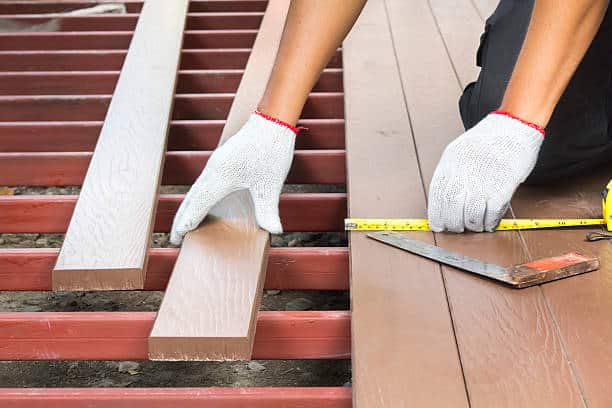
If you are planning a new deck for your home in Huntingtown or anywhere across Southern Maryland, one of the first decisions you will face is choosing between composite and wood decking. Both materials have real advantages, and the right choice depends on your budget, your lifestyle, and how much time you want to spend maintaining your outdoor space. Experienced composite decking installers will tell you that understanding the differences between the two materials upfront saves homeowners a great deal of frustration down the road.
This guide breaks down what each material offers, how Maryland’s climate affects long-term performance, and what to think about before you commit to one or the other.
What Is Wood Decking
Wood decking is the traditional choice, and it remains popular for good reason. Pressure-treated lumber is the most common option for Maryland homeowners because it resists moisture, insects, and rot. Naturally durable hardwoods like cedar and redwood are also available for homeowners who want a higher-end look with natural color variation and grain pattern throughout the surface.
The Appeal of Wood
Wood delivers a warm, classic appearance that many homeowners find difficult to replicate with any other material. It tends to cost less upfront than composite decking, which makes it an attractive option for homeowners working within a tighter budget. Wood is widely available and straightforward for experienced contractors to work with, which generally keeps labor costs reasonable on most residential projects.
What to Keep in Mind With Wood
Wood decking requires regular maintenance to stay in good condition. In Maryland, where summers bring humidity and winters bring freezing temperatures, wood expands and contracts with the seasons. Without routine sealing, staining, or painting every few years, wood decks can warp, crack, splinter, or fade significantly. Maintenance is not overly complicated, but it is a consistent responsibility that homeowners need to factor into their long-term decision.
What Is Composite Decking
Composite decking is made from a blend of wood fibers and recycled plastic materials. It is engineered to look like wood while delivering significantly better resistance to the elements. Unlike natural wood, composite boards do not rot, splinter, or absorb moisture, and they hold their color far longer without the need for annual staining or sealing. Professional composite decking installers work with a wide range of board profiles, colors, and finishes to suit different home styles and homeowner preferences.
The Appeal of Composite
The biggest advantage composite decking installers highlight for homeowners is how little upkeep the material requires over time. An occasional wash with soap and water is typically all it takes to keep a composite deck looking clean and well-maintained year after year. For busy families or homeowners who simply do not want to spend their weekends on deck maintenance, composite is a practical and worthwhile long-term investment.
Composite decking also comes in a wide range of colors, textures, and finishes. Many manufacturers have developed products that closely mimic the look of natural wood grain, so homeowners do not have to sacrifice aesthetics for durability. Over a 10 to 20 year period, the lower maintenance costs associated with composite can offset the higher upfront price when compared directly to wood.
What to Keep in Mind With Composite
Composite decking costs more to purchase than pressure-treated wood, and that gap can be noticeable on larger deck projects. It can also retain heat on very sunny days, which is worth considering if your deck gets direct afternoon sun during Maryland summers. Not all composite products perform at the same level, which is why choosing skilled composite decking installers who know the difference between quality brands and lower-grade options makes a meaningful difference in the final result.
How Maryland’s Climate Affects Your Choice
Southern Maryland’s climate plays a direct role in how both materials perform over time. The combination of hot, humid summers and cold winters puts consistent stress on outdoor building materials year after year. Wood requires proactive maintenance to hold up under those conditions. Composite handles the seasonal climate cycle with far less intervention, making it a strong choice for homeowners who want a deck that stays looking good without constant upkeep.
Proximity to water adds another layer to the decision. Homeowners near the Chesapeake Bay or its tributaries deal with elevated moisture levels that can accelerate wear on untreated or poorly maintained wood. Composite decking installers consistently recommend composite materials for waterfront and near-water properties throughout Calvert County for exactly this reason.
Making the Right Call for Your Home
Choosing the right material is only part of the equation. The quality of the installation matters just as much as the product itself. A deck built on a weak frame or with improper fasteners will underperform regardless of whether it is wood or composite. Getting a proper on-site assessment from experienced local composite decking installers helps you understand exactly what your property needs before any materials are ordered or work begins.
If you are ready to start planning your deck, Park Place Construction serves homeowners across Calvert County and Southern Maryland with honest consultations, quality craftsmanship, and free on-site estimates. Call (443) 968-2327 or visit parkplaceconstruction.net to schedule yours today.