



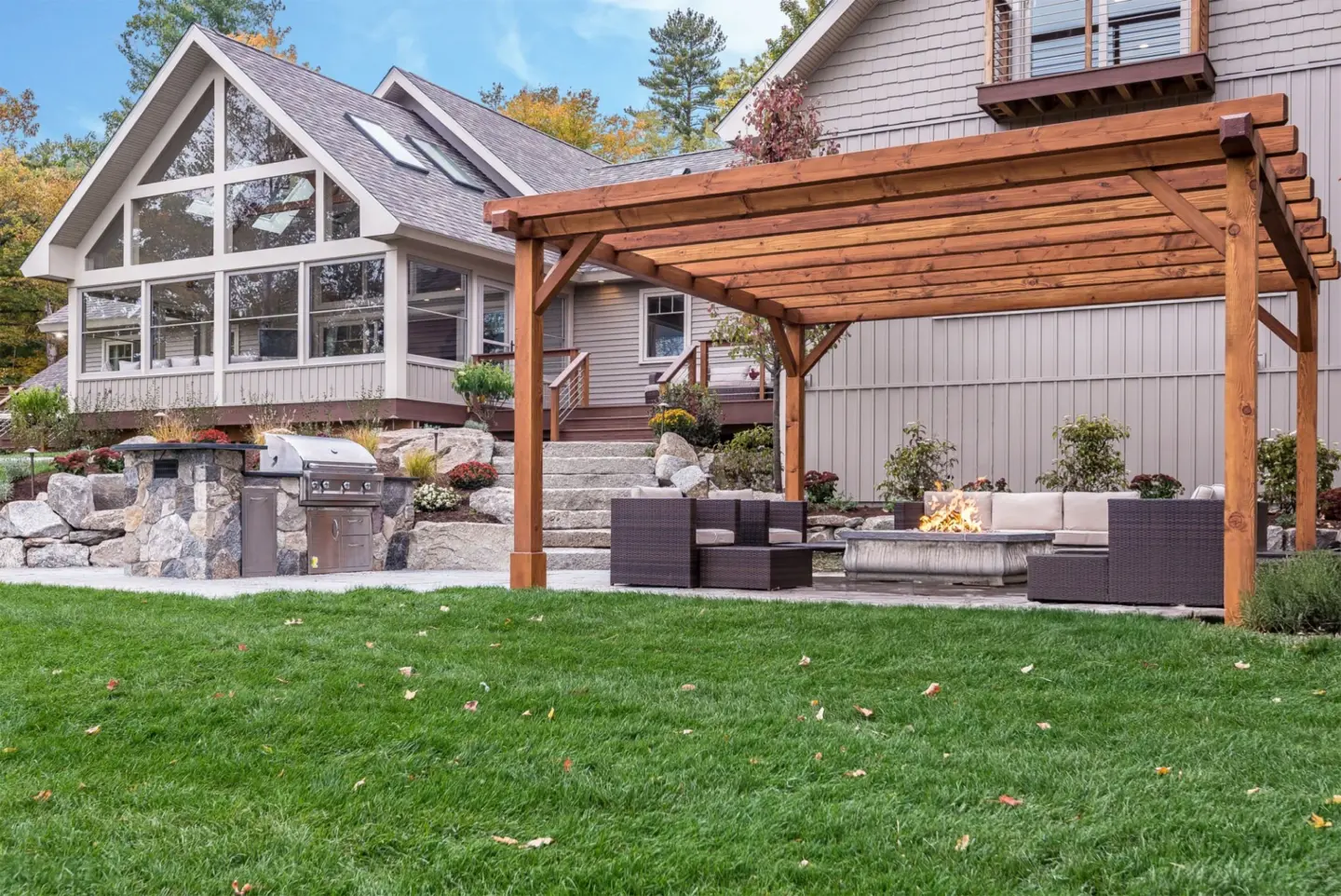
A pergola can completely change how you use your backyard. It creates shade, defines an outdoor living area, and adds structure to a space that might otherwise feel open and unfocused. But where you place the pergola matters just as much as the design itself. The wrong location leads to a structure that blocks views, sits in an awkward spot, or does not get used as much as you expected.
Choosing the right placement takes some thought, and working with experienced pergola builders makes the process much easier. Here is what to consider before you commit to a location.
Think About How You Will Use the Space
Before picking a spot, decide what the pergola is for. Will it shade an outdoor dining area? Cover a lounge space for reading and relaxing? Frame an outdoor kitchen or bar? Serve as a transition between the house and the yard?
Each of those uses calls for a different location. A dining pergola works best near the kitchen or back door for easy food service. A lounge area might sit farther out in the yard, closer to a garden or water feature. Knowing the purpose first narrows the placement options quickly.
Study the Sun and Shade Patterns
One of the main reasons homeowners invest in a pergola is shade. That means understanding how sunlight moves across your yard throughout the day. A spot that is comfortable in the morning might be in full, direct sun by afternoon.
Experienced pergola builders will evaluate your property’s sun exposure before recommending a location. East-facing placements get morning light and afternoon shade. West-facing spots catch the sunset but can get uncomfortably hot during summer afternoons. South-facing locations receive the most sun overall, which can be balanced by adding a louvered or covered roof design.
Work With Your Existing Landscape
The pergola should fit naturally into your yard, not fight against it. Look at what is already there. Mature trees, garden beds, slopes, and hardscaped areas all influence where a pergola will sit best. Placing a pergola too close to a large tree can create root conflicts during foundation work and lead to excessive debris falling on the structure.
On the other hand, positioning it near established landscaping can create a more integrated, finished look from the start. Professional pergola builders can assess grading, drainage, and existing features to recommend a spot that works with your landscape instead of against it.
Consider Proximity to the House
Attached pergolas connect directly to the home’s exterior wall, which makes them a natural extension of your indoor living space. They work well over patios, back doors, or along the side of the house. Freestanding pergolas sit independently in the yard and offer more flexibility in placement.
Both options have advantages. An attached design gives you easy access from inside the house and can tie into existing rooflines for a seamless look. A freestanding structure can anchor a separate outdoor zone, like a fire pit area or a garden seating spot, further from the home. Knowing which style fits your property helps pergola builders plan the right foundation and structural connections.
Account for Wind and Weather Exposure
Maryland weather includes humid summers, cold winters, and occasional strong storms. A pergola placed in a completely open, exposed area will face more wind load and weather wear than one tucked into a more sheltered section of the yard.
If your property has a natural windbreak, like a tree line, fence, or the house itself, placing the pergola nearby can extend its comfort and reduce maintenance over time. Pergola builders familiar with local conditions will factor wind direction and seasonal weather patterns into the placement recommendation.
Do Not Forget About Views and Privacy
Where the pergola sits affects what you see from underneath it and what your neighbors see looking in. A well-placed structure can frame a view of your yard, garden, or surrounding landscape while also creating a sense of privacy from adjacent properties.
If privacy is a priority, pairing the pergola with privacy screens or walls adds seclusion without closing the space off entirely. Positioning it at an angle or along a property line can also help block sightlines from neighboring homes.
Start With a Professional Site Evaluation
The best pergola placement comes from a combination of your goals and a professional assessment of your property. Park Place builds pergolas and outdoor living structures for homeowners across Southern Maryland, with free consultations and turnkey project management. Call (443) 968-2327 to schedule an estimate today.