



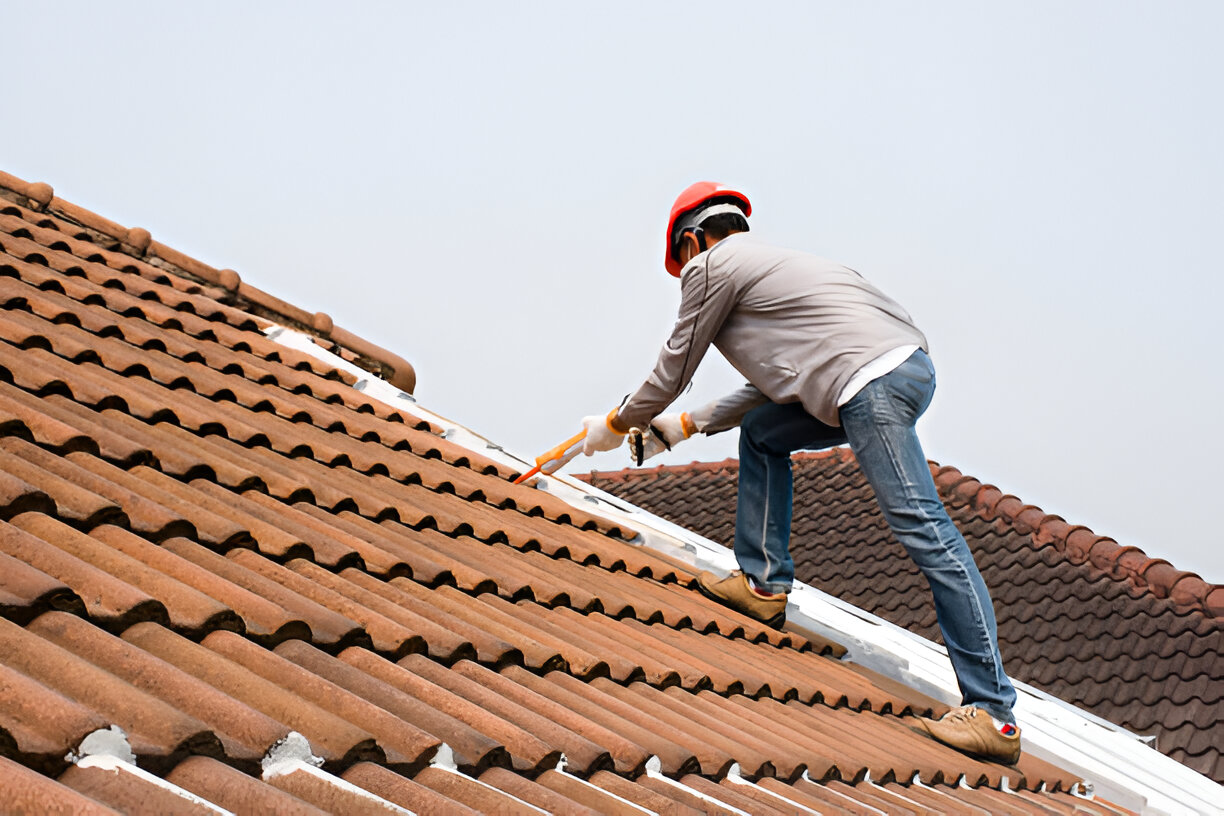
Evaluate your existing roof’s condition before starting installation. Look for damage like missing shingles, sagging areas, water stains, or granule loss. These signs help determine if a full replacement is needed or if repairs will suffice. A professional inspection ensures no underlying issues are missed.
Choosing the Right Roofing Materials for Your Home
Select roofing materials based on climate, budget, and architectural style. Asphalt shingles are affordable and versatile, while metal roofing offers durability and energy efficiency. Slate, tile, and wood shakes provide unique benefits. Consider wind resistance, fire ratings, and energy efficiency to meet your needs.
Obtaining Necessary Permits and Approvals
Roof installations often require permits to comply with building codes. Submit plans to your local municipality and prepare for inspections during the project. Addressing this step early avoids complications later.
Setting a Realistic Budget and Timeline
Roof installation costs depend on materials, roof size, complexity, and labor rates. Account for unexpected expenses like structural repairs or permit fees. Residential installations typically take 3-7 days, depending on weather and complexity. A realistic timeline ensures smooth progress.
Selecting a Qualified Roofing Contractor
Choose a licensed, insured contractor with local references. Verify credentials, read reviews, and get multiple quotes. Experienced professionals like Park Place Construction deliver quality workmanship and customer satisfaction.
Pre-Installation Phase: Essential Groundwork
A comprehensive inspection is crucial before installation. Contractors examine the roof structure, decking, flashing, gutters, and ventilation systems to identify issues that could affect the new roof’s performance.
Removing Old Roofing Materials Safely
Carefully remove old shingles, underlayment, and nails while protecting the underlying structure. Contractors follow safety protocols to prevent accidents and property damage.
Inspecting and Repairing the Roof Deck
Inspect the roof deck, typically plywood or OSB sheathing, after removing old materials. Replace damaged or weakened sections to ensure a solid foundation for the new roof. Neglecting this step can compromise the roofing system’s integrity.
Ensuring Proper Ventilation Systems
Adequate ventilation prevents moisture buildup and extends your roof’s lifespan. Install intake vents at eaves and exhaust vents at the ridge to regulate attic temperature and humidity, reducing mold growth and structural damage.
Protecting Your Property During Construction
Contractors should use tarps and barriers to protect landscaping, vehicles, and outdoor furniture. Windows and air conditioning units should also be shielded to prevent debris damage.
The Installation Process: Building Your New Roof
Underlayment acts as a secondary water barrier beneath shingles. Ice and water shield should be installed in vulnerable areas like eaves and valleys, while felt or synthetic underlayment covers the rest of the roof for added leak protection.
Applying Drip Edges and Flashing
Drip edges direct water away from the roof’s edge, while flashing prevents water infiltration around chimneys, vents, and skylights. Proper installation ensures long-term durability.
Laying Starter Shingles and Course Rows
Begin with starter shingles along the eaves for a clean edge and seal. Align and overlap subsequent rows according to manufacturer specifications for optimal weather protection. Precision ensures a uniform and effective roofing system.
Proper Shingle Alignment and Fastening Techniques
Shingles must be precisely aligned and securely fastened using the correct nails. Proper fastening prevents wind uplift and ensures the shingles perform as designed. Nail in specified zones to maintain warranty coverage.
Installing Ridge Caps and Final Touches
Ridge cap shingles are installed along the roof’s peak for a finished appearance and weather seal. Final touches include installing trim pieces, cleaning up debris, and conducting a thorough quality check.
Weatherproofing and Quality Assurance
Seal all roof penetrations, including vents, chimneys, and skylights, to prevent water infiltration. Use appropriate sealants and ensure flashing connections are watertight to protect your home from leaks.
Installing Proper Drainage Systems
Ensure gutters and downspouts are properly installed or repaired for efficient water drainage away from the structure. Effective drainage prevents water damage to your foundation and landscaping.
Conducting Weather Resistance Testing
Inspect fastener patterns, sealant applications, and system integrity to verify weather resistance. Testing ensures the roof can withstand harsh conditions.
Final Inspection and Quality Control Measures
A final inspection ensures all work meets industry standards and manufacturer requirements. Address deficiencies before project completion. Contractors should provide documentation for warranty coverage and maintenance guidelines.
Understanding Your Roof Warranty Coverage
Most roofing systems come with material and workmanship warranties. Understand the terms and requirements to protect your investment. Follow maintenance guidelines to keep your warranty valid.
Maintaining Your New Roof: Long-Term Care and Protection
Inspect your roof twice yearly for damaged shingles, clogged gutters, or wear around penetrations. Early detection prevents costly repairs and extends your roof’s lifespan.
Seasonal Maintenance Tasks
Seasonal maintenance includes cleaning gutters, trimming overhanging branches, removing debris, and checking for ice dam formation in winter climates. These tasks prevent damage and keep your roof in optimal condition.
Addressing Minor Repairs Promptly
Fix small issues like loose shingles or minor leaks immediately to prevent extensive damage. Prompt repairs save money and protect your home from further problems.
When to Call Professional Roofing Services
Complex repairs, safety concerns, or warranty-related issues should be handled by professional contractors. Their expertise ensures proper resolution and maintains warranty coverage.
Extending Your Roof’s Lifespan Through Proper Care
Regular maintenance, prompt repairs, and professional inspections can significantly extend your roof’s service life. Protecting your investment ensures your home remains safe and secure for years to come.
Ready to start your roof installation project? Contact Park Place Construction at (443) 968-2327 today for a consultation and professional installation that ensures lasting protection for your home.